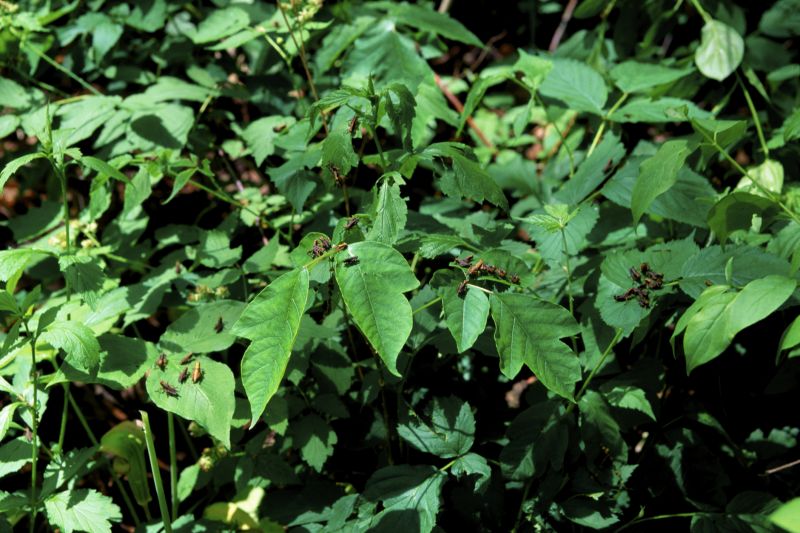
Poison Oak Removal in Burlington County, NJ
Poison oak removal services focus on safely eliminating this invasive and potentially harmful plant from residential properties. These services are often requested for projects involving overgrown yards, landscaped areas, or outdoor spaces where poison oak poses a risk to residents and visitors. Property owners typically seek professional removal to ensure the plant is eradicated effectively and safely, preventing skin irritation and allergic reactions that can occur from contact with the plant’s oils.
Before requesting poison oak removal, property owners should consider the extent of the infestation and the location of the plants in relation to other landscape features. It is helpful to understand whether the plants are growing in accessible areas or near sensitive zones such as play areas, gardens, or water features. Clarifying these details can assist in planning a removal approach that minimizes disruption and ensures safe, thorough clearance of the poison oak from the property.
Many property owners in Burlington County, NJ look into Poison Oak Removal for repairs, replacements, upgrades, and appearance-related improvements.
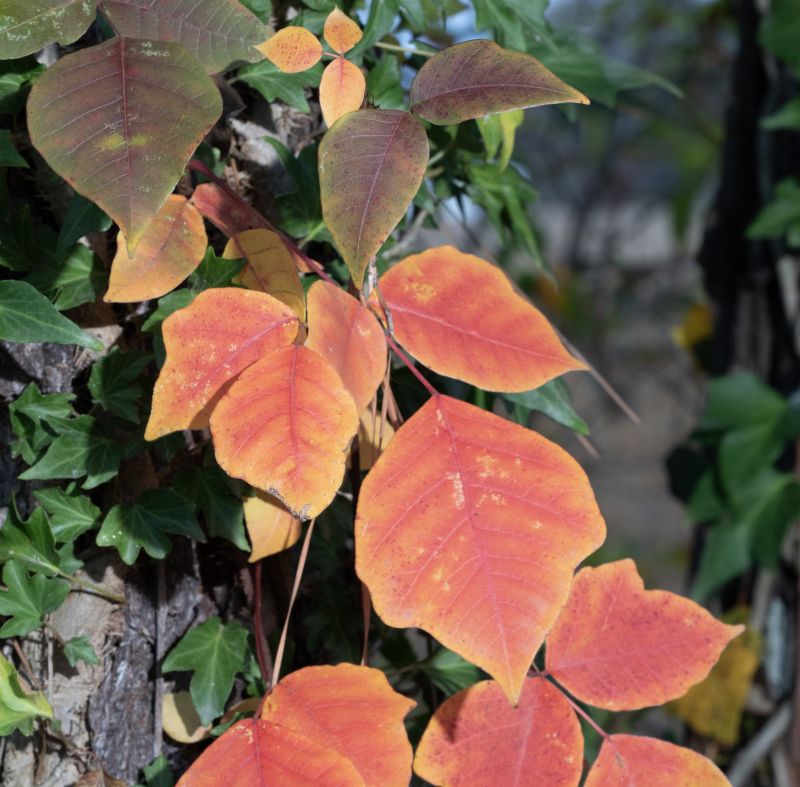
Hazardous Plant Removal
Removing poison oak helps prevent skin irritation and allergic reactions on residential and commercial properties.
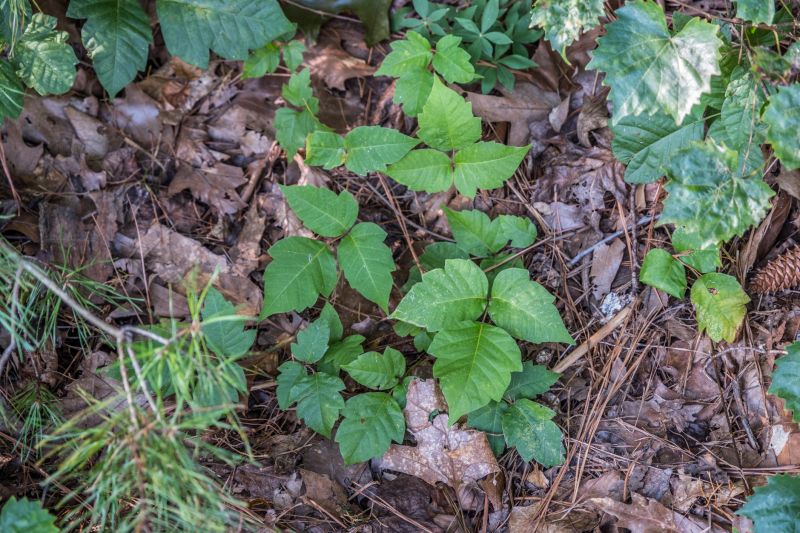
Property Safety Improvements
Clearing poison oak from yards and trails reduces the risk of exposure for families and outdoor enthusiasts.
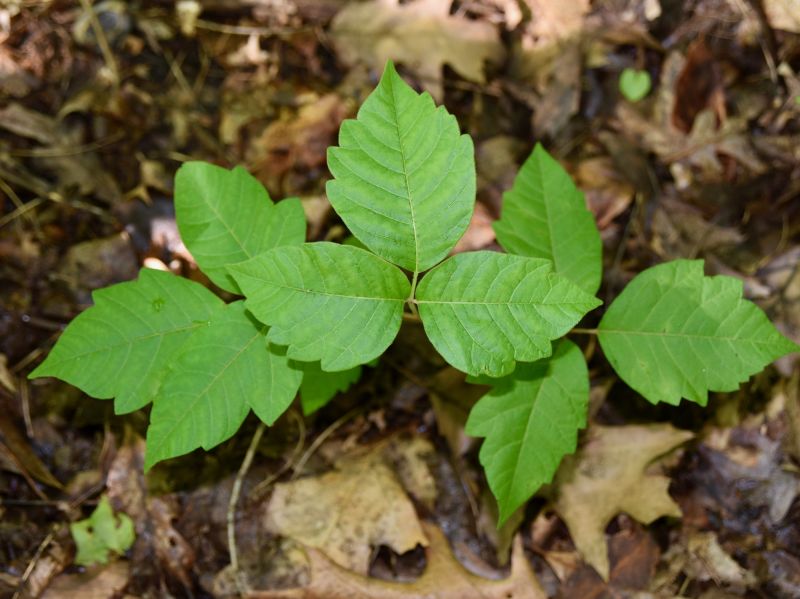
Landscaping And Maintenance
Professional poison oak removal supports ongoing landscape health and keeps outdoor spaces safe in burlington county and nearby areas.
Poison Oak Removal in Burlington County, NJ
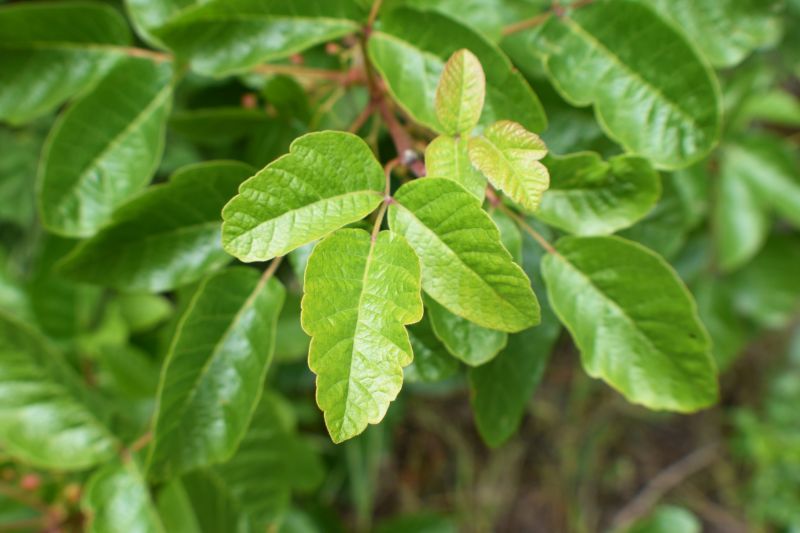
Poison oak removal services focus on safely eliminating this invasive and potentially harmful plant from residential properties. These services are often requested for projects involving overgrown yards, landscaped areas, or outdoor spaces where poison oak poses a risk to residents and visitors. Property owners typically seek professional removal to ensure the plant is eradicated effectively and safely, preventing skin irritation and allergic reactions that can occur from contact with the plant’s oils.
Before requesting poison oak removal, property owners should consider the extent of the infestation and the location of the plants in relation to other landscape features. It is helpful to understand whether the plants are growing in accessible areas or near sensitive zones such as play areas, gardens, or water features. Clarifying these details can assist in planning a removal approach that minimizes disruption and ensures safe, thorough clearance of the poison oak from the property.
Many property owners in Burlington County, NJ look into Poison Oak Removal for repairs, replacements, upgrades, and appearance-related improvements.
Common Poison Oak Removal Jobs
Poison Oak Removal - clearing overgrown areas where poison oak plants pose a risk.
Yard Clearing - removing poison oak from lawns, gardens, and landscaped areas.
Brush and Shrub Removal - eliminating poison oak from thick brush and shrubbery.
Property Maintenance - controlling poison oak growth to prevent future spread.
Trail and Path Clearing - removing poison oak along walking trails and pathways.
Landscaping Cleanup - safely removing poison oak during garden and yard renovations.
Poison Oak Removal Questions
What is poison oak removal? Poison oak removal involves safely eliminating the plant from outdoor areas to prevent skin irritation and exposure.
Why is professional removal recommended? Professionals use proper techniques to remove poison oak effectively and reduce the risk of spreading or contact.
What types of properties typically need poison oak removal? Residential yards, parks, and commercial landscapes with poison oak growth often require removal services.
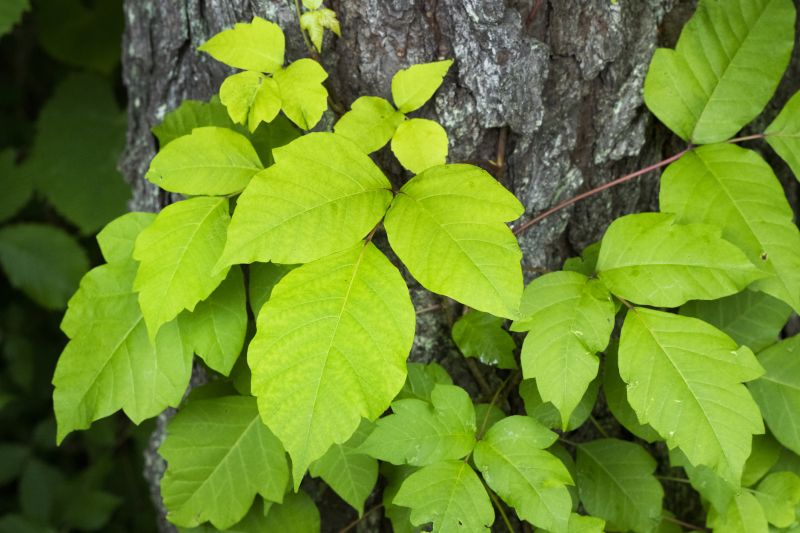
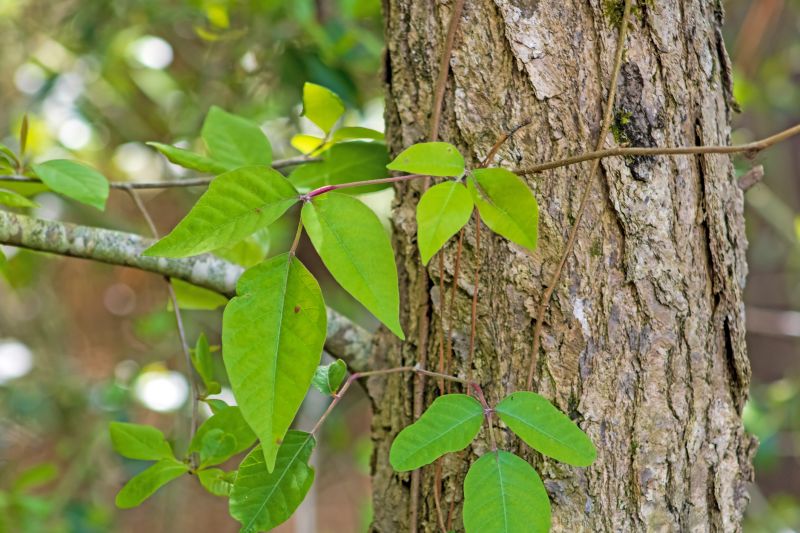
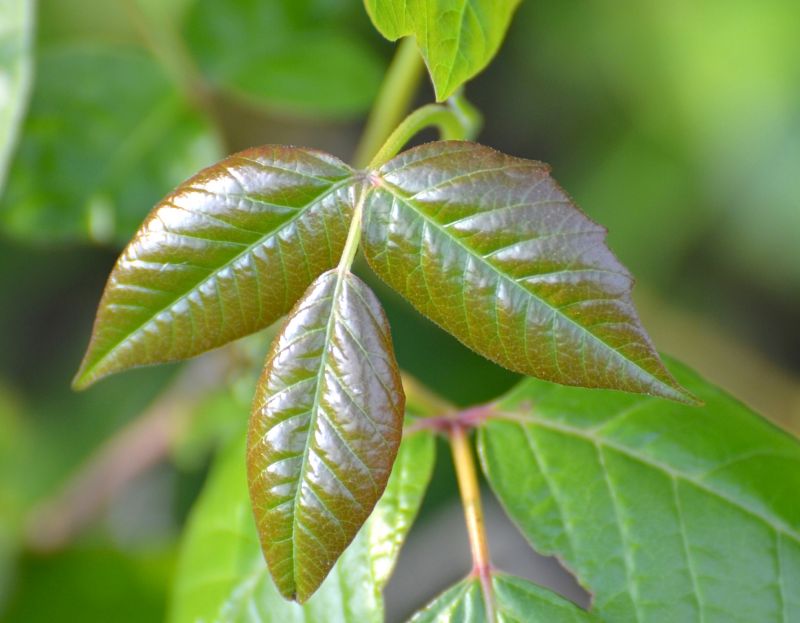
How can property owners identify poison oak? Poison oak has distinctive leaves that resemble oak trees, often with clusters of three leaflets and a hairy texture.
Request Poison Oak Removal in Burlington County, NJ
Use the quote form on this page to share the basics of your project and request more information for the type of work you need.